
Chili con carne, the story of cowboys’ favorite dish
Chili con Carne: When the Legend of the West Simmered in a Pot
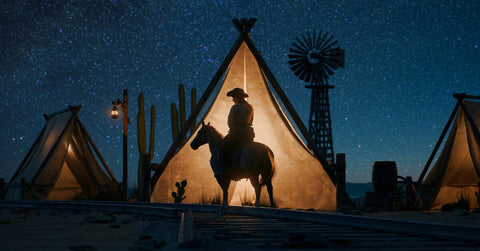
It is six o’clock in the evening, somewhere between San Antonio and Abilene, in 1875. The dust is gently settling after the cattle have passed, the animals are still lowing on the horizon, and around the chuckwagon—a dozen exhausted cowboys gather, bowls in hand.
The cook, known as the cookie, stirs a blackened pot in which dried meat, chiles, and a little murky water are simmering. That evening, as on every other, one dish soothes their stomachs and warms their hearts: chili con carne. What these men did not know, as they blew on their steaming spoons, was that they were creating a legend.
From the Chuckwagon to Your Table: How a Survival Dish Became Iconic
It is difficult to imagine, when enjoying a good, thick chili today while watching a game or spending an evening with friends, that it was born out of a purely logistical necessity. On the trails of Texas—these towns that still live to the rhythm of cattle today—dozens of men had to be fed with whatever could fit in a wagon, withstand the heat, and avoid spoiling over three weeks. Chili con carne checked every box. And its story, between creaking wagons and lively marketplaces, reads like a novel.
The Chuckwagon, or the Art of Feeding an Army
In 1866, a Texan rancher named Charles Goodnight came up with an idea that would change Western cooking: transforming an old military wagon into a mobile kitchen to supply his men along the Goodnight-Loving Trail, one of the great cattle routes. On board were dried beef, dried chiles, cumin, and not much else.
Chuckwagon cooks compressed chiles and spices into small, easy-to-transport bricks. All they had to do was melt them in boiling water with a little meat to produce, within minutes, a hot and nourishing meal. No frills, but ruthlessly efficient—exactly what men who spent twelve hours a day on horseback needed.

The Chili Queens of San Antonio, the True Queens of the Dish
If cowboys gave chili its prestige on the trail, women were the ones who turned it into an institution. As early as the 1880s, on Military Plaza in San Antonio, Mexican American women would set up lantern-lit tables every evening at nightfall to sell steaming bowls of chili con carne. They were known as the Chili Queens.
Cowboys returning from the trail, soldiers, travelers, and curious passersby flocked there to the sound of guitars, amid the atmosphere of an improvised fairground. These women made chili far more than a makeshift meal: they turned it into a social ritual, an excuse to get together, chat, and laugh—much like your evenings with friends after a night of dancing. The Chili Queens held their place until 1943, when new health regulations forced the closure of their open-air stalls.
Beans or No Beans: The Argument That Never Dies
It is impossible to talk about chili without mentioning the great debate that still animates American kitchens today: should kidney beans be added or not? In Texas, the dish’s birthplace, the answer is a categorical no—a true chili con carne is meat, chiles, spices, and nothing more.
Elsewhere, beans joined the recipe as a matter of economy, allowing more people to be fed with less meat. This small debate, almost a matter of honor, gave rise to real chili competitions, such as those organized since 1967 by the Chili Appreciation Society International—the proof that a cowboy dish can still get entire crowds excited today.

Host Your Own Chili Night with Friends
After a country night out, nothing beats a good, long-simmered chili to keep the magic going. A few simple principles are all you need: sauté an onion and some garlic, add ground or cubed beef, cumin, mild chili powder, and a little hot pepper to taste, then let it simmer with crushed tomatoes—it is precisely this slow cooking time that gives the dish all its depth.
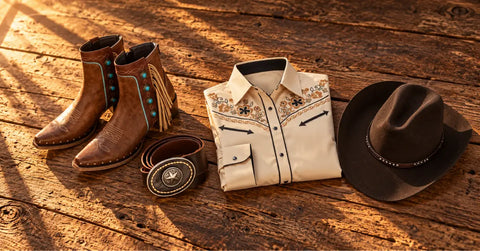
Serve it in pretty stoneware bowls set on a checked tablecloth, with your friends happily keeping their cowboy boots on to extend the evening’s atmosphere. A belt with an ornate buckle or a lovely printed scarf worn at the table can also work wonders, giving your dinner that little extra touch of authenticity without ever veering into costume.
Around the Fire, Then and Now
That evening, on the trail between San Antonio and Abilene, no one would have bet a dollar on the future of that steaming pot. And yet, one hundred and fifty years later, chili con carne continues to bring people together around the same warmth: the warmth of fire, laughter, and good company.
The next time you meet up with your friends after standing out at a country night, boots on and good spirits in abundance, why not prepare this little piece of Western history for them? All that is missing is the music—and the urge to dance a little longer.